

How to Out-Change a Changing System
Lessons from working in a different, dramatically evolving industry

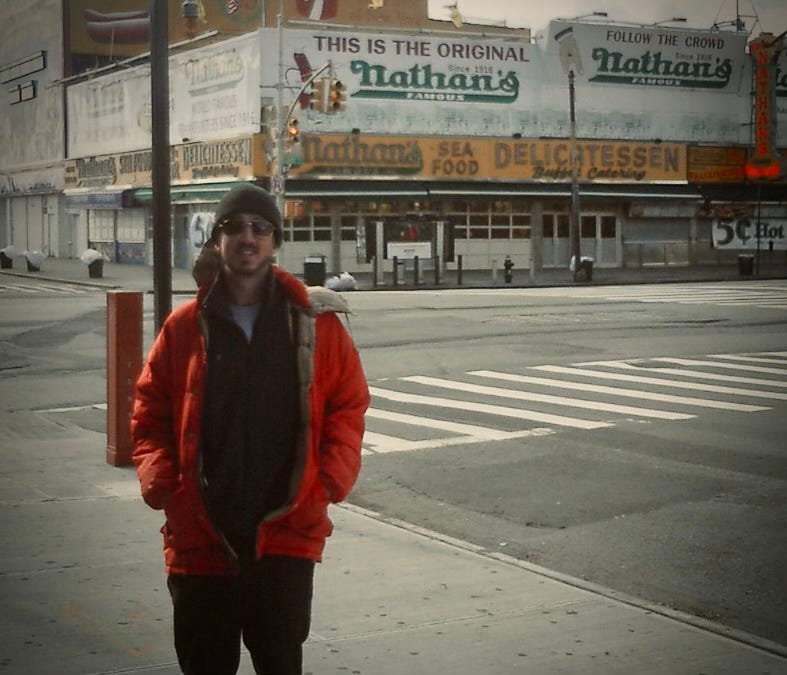
As things are changing rapidly in film, I sometimes think back to experiencing major changes in a different industry. I worked at magazines just as the business was being devoured by the Internet. Some of it still remains, of course, but to those of us who know what it used to look like, what remains can seem like a shadow of its former self.
Growing up in smallish towns in Wisconsin and Illinois, mostly surrounded by cornfields, filmmaking wasn’t considered a viable career. None of us knew anybody who worked in the industry. Our relationship with movies was made up entirely of what we saw on the screen. Working in magazines seemed just as remote, but that’s where I first set my sights.
My first year out of school, I moved to Brooklyn and immediately needed to find a way to pay the bills, so I interviewed for a job as a busboy at Habana Outpost in Fort Greene. First setting foot in their bright, neon-green-and-orange-themed outdoor beer garden, I couldn’t believe what I was seeing. Though I had gone to public school where there were some differences in race, this was something else entirely. There were people of all different races here, and white people were only a small number of them.
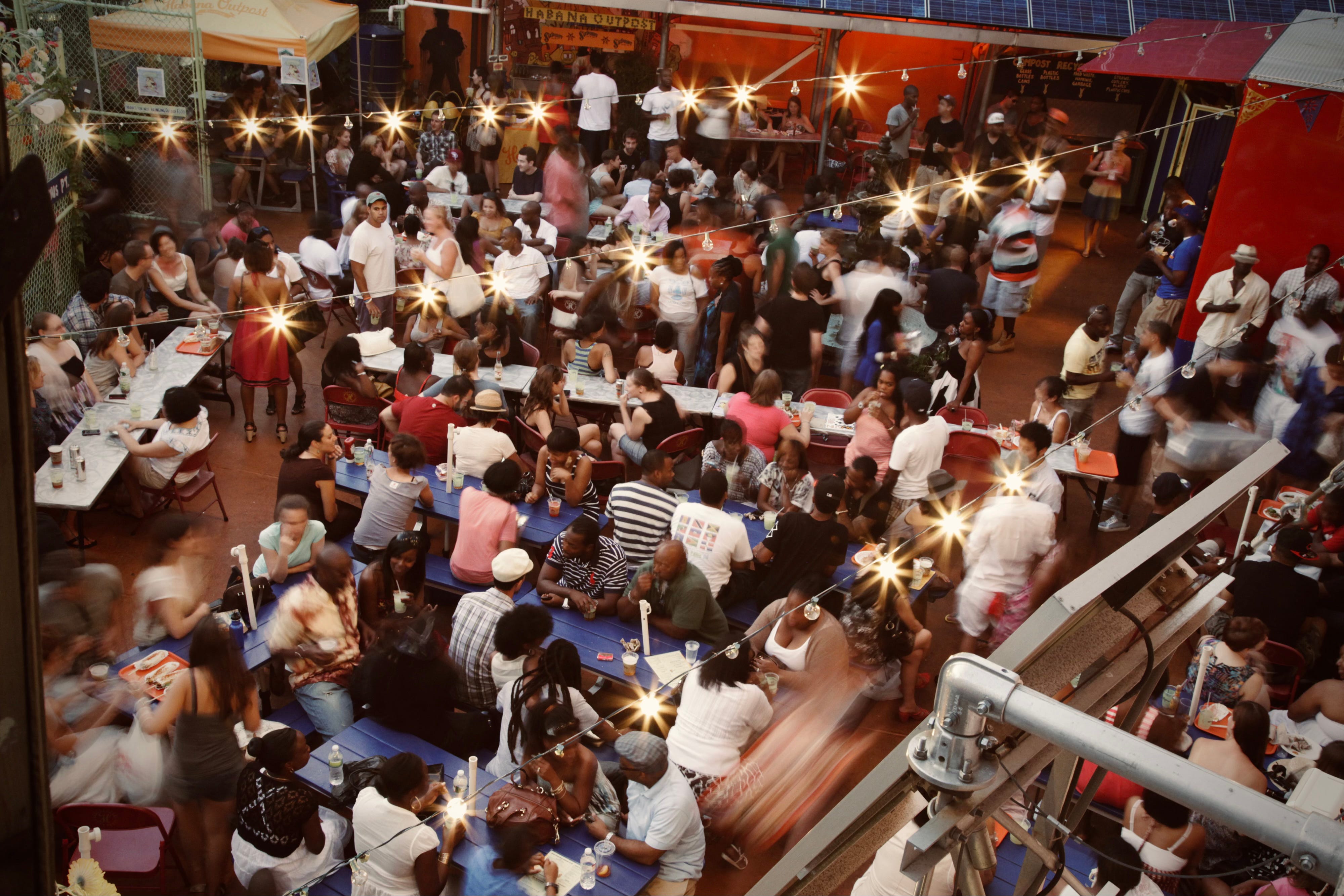
The DJ was playing an eclectic mix that included Notorious B.I.G. and Yo La Tengo, artists I loved but never expected to find being appreciated in one, real world setting. In my memory, everyone had their mojitos held high and knew every word to verses by Biggie. It was probably not quite like that, but it’s not an exaggeration to say the scene was a revelation to me.
The manager’s name was Lopeti, and on one or two occasions, he constructed a catwalk across the outdoor area and hired models to showcase his fashion designs. The job was sweaty and low paid, but I was loving being witness to the scene.
Another busboy named Karan and I were sometimes required to go to the basement of a pizza parlor across the street and knock out cinder-block walls and ceiling tiles sagging with dead rats (not kidding), so the business could use it as storage space.
During those shifts, Karan told me about the sneaker company he wanted to start one day, and about graffiti artists he knew and what they would get up to at night. I knew very little about that world, but I had heard of one or two of them, particularly one named Dash Snow.
Karan offered to introduce me to them sometime, but he warned me, “I know you, and you’re cool. But with these guys, you can’t just come up and say [in Midwestern accent], ‘I’m Fred, from Illinois.’” Obviously, I was Fred from Illinois, but I saw what he was saying and found it really funny. (There was no documentary out about Dash Snow back then like there is now, so I didn’t know I probably would have been getting in over my head if I had met him.)
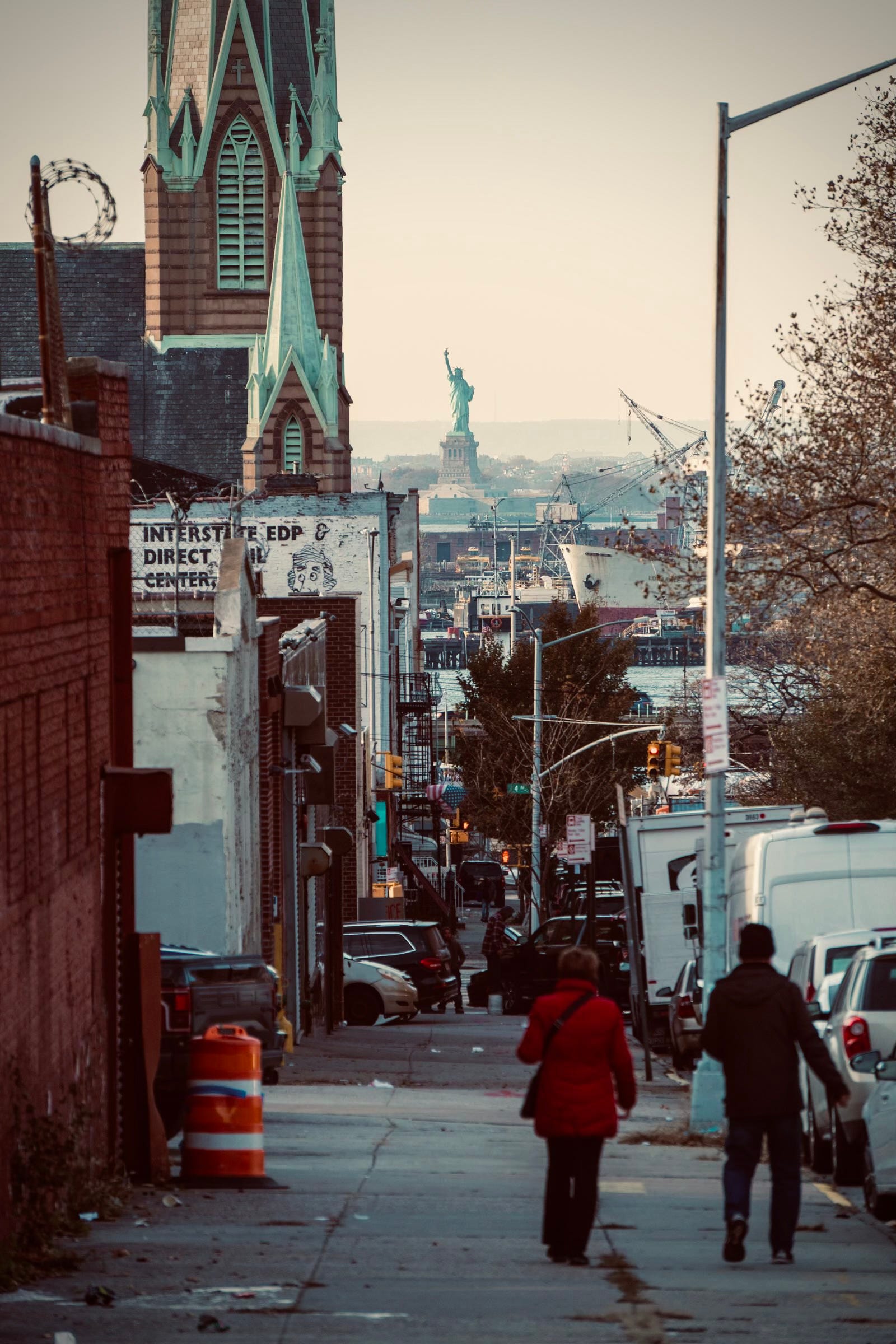
Overall, I appreciated the job for getting me on my feet in the city, but I also knew I didn’t move there to be a busboy. I was looking to work and potentially write for magazines.
Fortunately, not long after that, I heard about a job opening at Popular Science. It was a video editor position for their new website, popsci.com. I’d learned how to edit on my own after my dad had given me a copy of Final Cut Pro 7, and I’d made a couple of short videos.
In one, I filmed my brother Carl interview his girlfriend at the time, who were both pre-med students at the University of Wisconsin in Madison. Not long before this, Ed Helms had come through their town with a crew from The Daily Show to film a segment about disappearing beer specials at campus bars. Somehow my brother got tapped in for that.
Ed Helms interviewed Carl in his living room, introducing him in the segment as “this smart kid with glasses.” In one memorable moment, a student interviewed said, “They’re threatening the livelihood of many smart… drinking persons. Maybe I should rephrase that.” Ed Helms replied, “I think you just summed it up.”
The segment featured a number of people we knew chugging beer out of a glass boot and was called “Unhappy Hour.” (Older episodes of The Daily Show are now only available on Paramount Plus.)
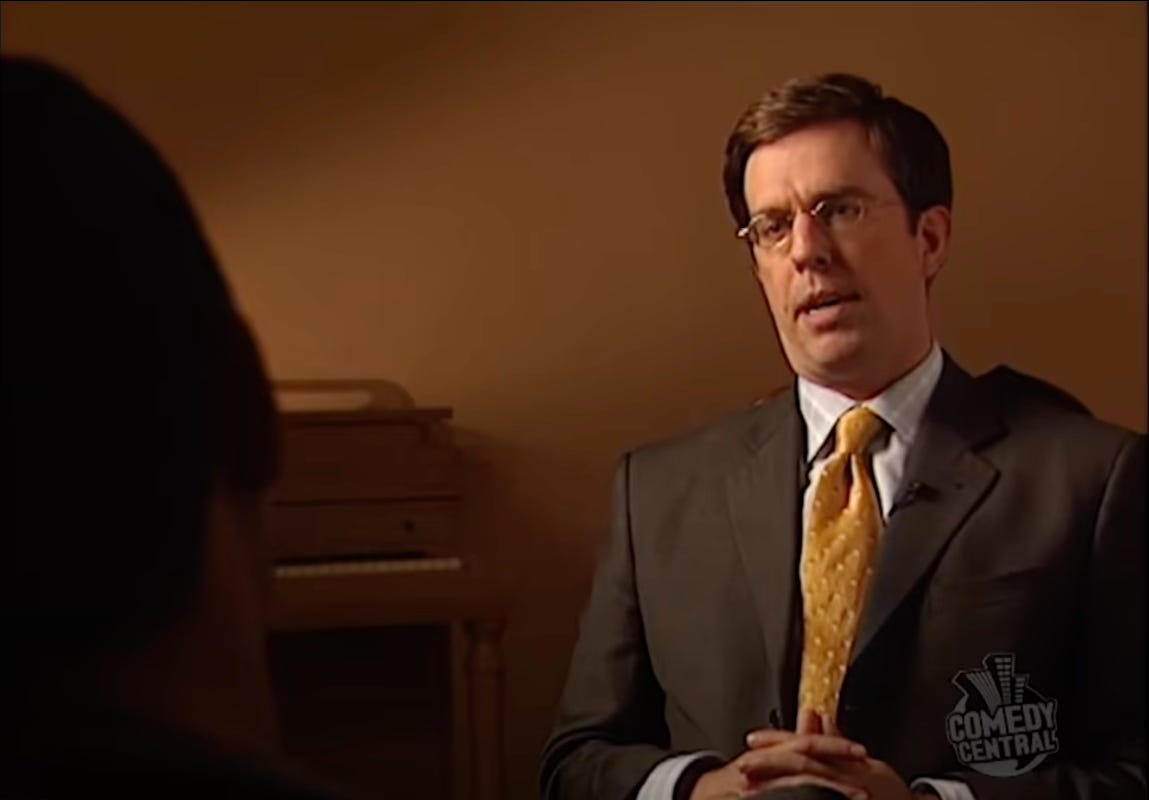
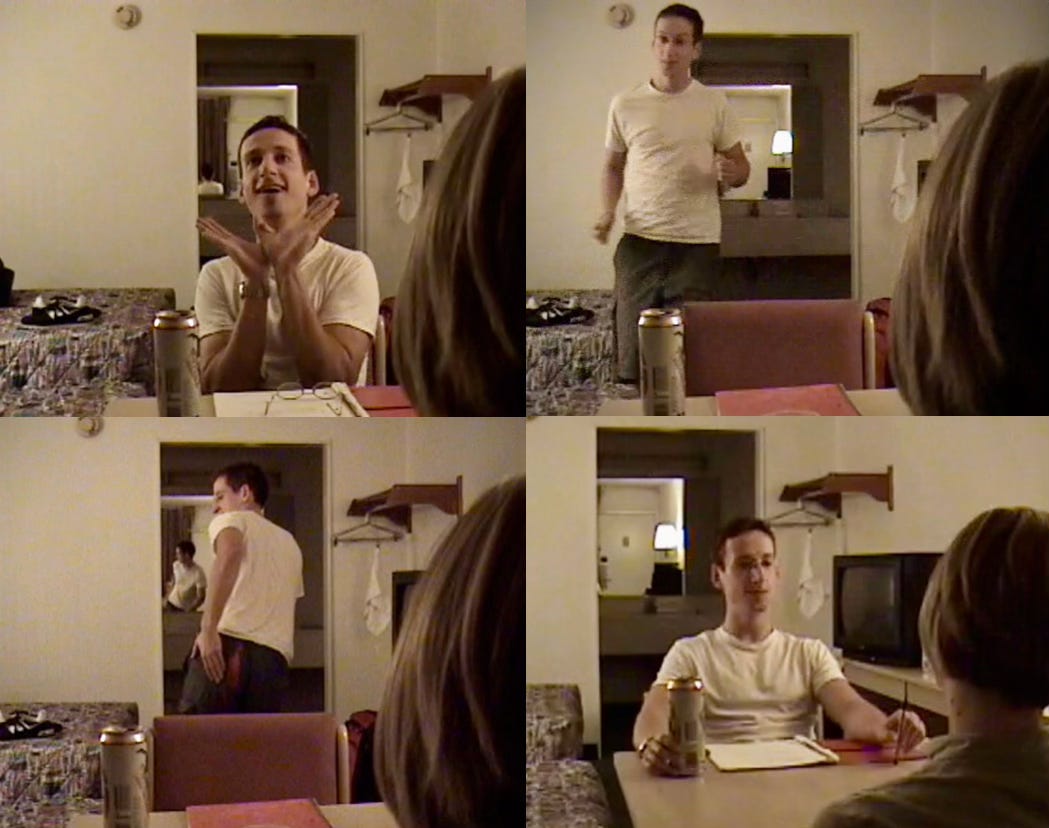
Carl told me The Daily Show filmed his interview with one camera, getting his answers first and then filming Ed Helms ask different questions and give a variety of reaction shots, which they were going to edit however they’d like. I had a digital video camera, and when he, his girlfriend, and I stayed in a hotel on a road trip, we decided to emulate the process. The rough idea was that my brother was an interviewer with no attention span, drinking beer, inverting his eye-lids, wandering off while she gave serious answers as if applying for medical school.
The resulting video always seemed to make people laugh, though it was in some ways crass, and I knew it’d be bold to use it to apply for the job at Popular Science. I remember my dad discouraged it. “It’s your career,” he warned. But I didn’t have much else, so I turned it in.
The editor of the website seemed to wonder if I was taking the application process seriously.
“We watched your video,” she said.
Long pause.
“It’s good.”
Sigh of relief.
“You know you’re up against people who went to film school, don’t you?”
No, I didn’t!
But still, what was I going to do? She didn’t say whether she laughed at the video or not, but my guess was she did. And I ended up getting the job.
I felt important taking the train from Brooklyn to midtown Manhattan, scanning my badge at the end of a spacious, marble lobby, and taking the elevator up. One of the first things you notice working there is that, for such a famous name, Popular Science’s office was made-up of a surprisingly mundane array of cubicles and offices. Also, there couldn’t have been more than 12 employees working in-office at any given time. (I was the third employee for the website.)
But of those working there, mostly editors of different sections of the print magazine, I found them to be impressive. They would casually leave their desk, go film a segment for The Today Show or a similar news program about the most innovative tools or tech of the year, and then return to work as if it was no big deal.
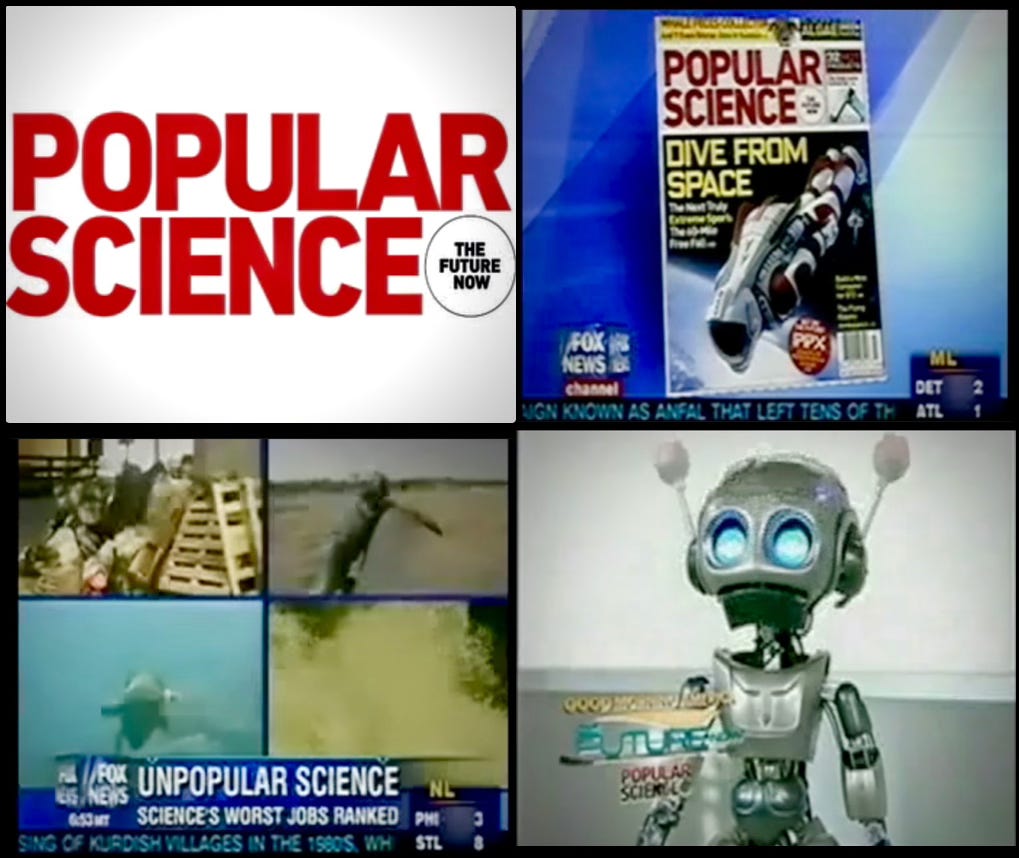
Video was a new thing for the website, and I was mostly assigned to edit footage that was shot by the magazine’s main photographer. My favorite ones were a little more involved. There was a video about a group of people in Seattle taking their power tools, putting wheels and motors on them, and drag racing them across a parking lot. And there was one about a teenager who achieved nuclear fusion in his garage. Good Popular Science stuff.
One day, we were asked to gather in an open area of the cubicles, because there was news to be announced. We were informed that the magazine had just sold to a new owner, a privately-owned, family-run business in Germany. They owned other “lifestyle” magazines, such as ones on boats and yachting. Nobody seemed to know what this meant for any of us.
I know we were aware at the time that print magazines were struggling, that readership was down. The Internet was a threat, and I suppose in retrospect, we at the website were partly building the life raft that the magazine would ultimately take. (Popular Science stopped printing its magazine, moving to “digital only” copies, in 2020. And then in 2023, it stopped doing a digital-version of the magazine and now only maintains the website.)
I met other people who worked in magazines at happy hours in the city after work, and I eventually found job opportunities at both New York Magazine (as a fact checker) and Men’s Journal (as a paid intern at the print magazine). I arranged to alternate days between the two and left the job at Popular Science.
The two new positions were low on the totem pole, but they did get my foot in the door in two distinct but important magazine cultures.
New York Magazine is a force to this day, notably in podcasts like Pivot, but it was particularly energized and influential as a print magazine around 2006. It had a new editor, Adam Moss, had just launched a new website, nymag.com, and they had writers like the legendary food critic Gael Greene (who passed away in 2022), film critic David Edelstein, and features writer Emily Gould
Every week, a fresh copy of the latest issue was waiting for us on our desks in the morning. It made it feel like we were working on something important, and it was amazing that we managed to create a full issue every week. (They switched to bi-weekly in 2014.)
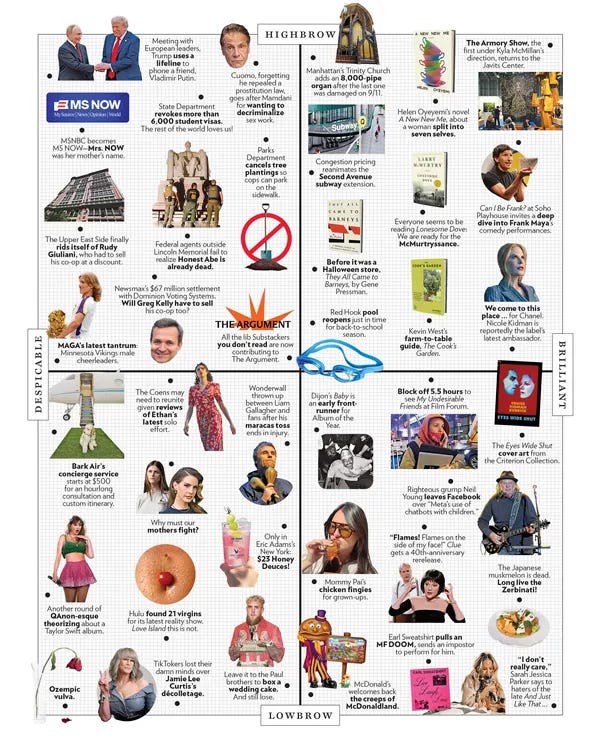
I loved turning to the back page for the Approval Matrix, which started in 2004, placing things on a grid from despicable to brilliant and low brow to high brow. It remains an excellent way to catch a snapshot of what’s been happening in our culture over the last week or so.
Also something I didn’t get until living in the city is, the magazine is much more localized to what’s happening there than, notably, The New Yorker, whose topics often span the globe.
In fact, a major milestone was reached in 2006 when New York Magazine won more awards at the National Magazine Awards (or “the Ellies” because the award resembles an elephant) than The New Yorker for, I believe, the first time ever. We were invited to a celebration on the roof of our building in the middle of the day to have cupcakes and keg beer.
Men’s Journal was interesting because it was owned by the same company and shared an office with both US Weekly and Rolling Stone. It felt like you could spot who worked for which magazine based on how people dressed.
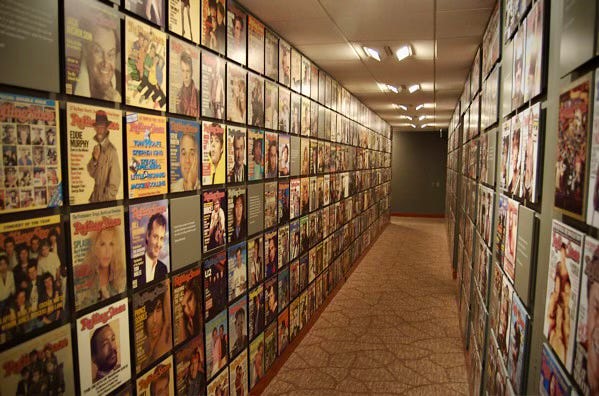
At Men’s Journal (a lot of flannel and jeans), I researched camping gear and stories about explorers like Edmund Hillary and Leif Erikson, though what I really wanted was to be writing for Rolling Stone (leather jackets). I spent time in their print archives and befriending their interns.
But the time I spent working at Men’s Journal, reading and writing about the outdoors, looking at beautiful nature photography, must have taken a toll on me, as I found myself fantasizing more and more about spending time outside.
I remember organizing a weekend trip with friends to camp in Vermont. None of us owned a car, so we rented one. In order to get everybody from their offices and jobs on that Friday afternoon in time to get us on the road and on to a campsite before sundown, we needed to be highly organized. Our times for picking people up on block corners were down to the minute. It felt like orchestrating a jail break.
Camping that weekend included a bonfire, a dog running around, and a stream to wade in. We experimented with a digital camera, “painting” in the air with a burning stick. Maybe in some ways we were still kids, but the city appeared different to me after that. All of the things that made it special were still there, would always be there. But what I doubted now was my place in it.


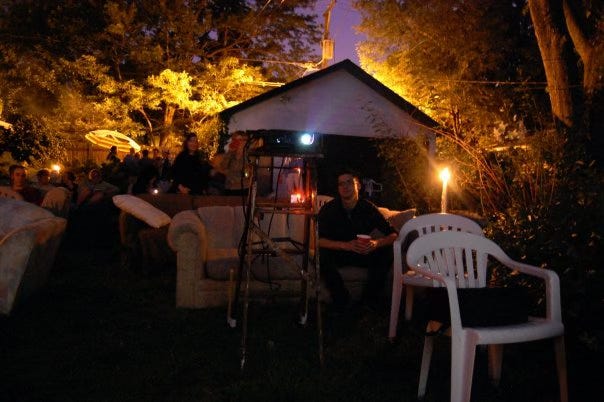
It was clear journalism was changing, but that wasn’t ultimately what chased me away. I was ready to explore, try freelance life, writing but also getting deeper into editing (the film kind). I moved to Chicago, studied documentary at the Chicago Filmmakers’ Co-op, started working on my own films, and screening them in my backyard, eventually calling it Backyard Film and Music Fest.
Things moved at a slower, less relentless pace in Chicago (it probably only feels this way to someone coming directly from NYC), and it gave me time to explore things and find what I really wanted to do.
In what would seem to be a tangent, I heard a good podcast recently about stoicism, which was started by the Roman emperor Marcus Aurelius in his book, Meditations. And I’m seeing some possible connections here:
“You have power over your mind—not outside events.”
It’s similar to the idea of “accept the things we cannot control.” Industries are going to change as they need to. I had no power over how the Internet and journalism were going to mesh over the years to come. But the main thing I could control was myself, my own thoughts and actions.
“A cucumber is bitter. Throw it away. There are briars in the road. Turn away from them. This is enough. Do not add, ‘And why were such things made in the world?’”
In looking back at the time I spent in NYC, I was saved, it seems, by the speed at which I was changing. In that one year, I lived in two different apartments and left all three of the magazine jobs on my own accord (and was fired from the busboy position). I out-changed a changing system. I threw more change at it than it could throw at me.
SOURCES
Popular Science Shuts Online Magazine in Another Sign of Decline — NYTimes
A Love Letter to Gael Greene, Who Treated Restaurant Criticism as Erotic Bloodsport — Bon Appétit
The Approval Matrix — New York Magazine
Pullman Hosts Backyard Film & Music Festival — Chicago Magazine
Very nice --- at least 5 timeless life lessons!